Views: 0 Author: Site Editor Publish Time: 2025-10-21 Origin: Site
Electrical fires are one of the most serious hazards in homes, commercial buildings, and industrial facilities. According to fire safety statistics, faulty wiring and electrical malfunctions contribute to a significant portion of all fire-related incidents worldwide. Using high-quality electrical wire and ensuring proper installation can drastically reduce the risk of fire, protect property, and save lives.
This article explores the factors that contribute to electrical fires, the role of proper wiring, different types of electrical wires, safety practices, and maintenance tips to prevent electrical hazards.
Electrical fires occur when wiring systems overheat, short-circuit, or are subjected to electrical surges. Common causes include:
Overloaded circuits: Connecting too many devices to a single circuit can generate excessive heat, leading to insulation breakdown and sparks.
Faulty or damaged wiring: Wires with cracks, frays, or corrosion increase the risk of short circuits.
Poor connections: Loose terminals, improper splices, or corroded connectors can cause arcing and localized heating.
Use of substandard or incorrect wire types: Low-quality wire, undersized wire, or inappropriate insulation types can fail under normal electrical loads.
Environmental factors: Moisture, pests, and chemical exposure can degrade wiring insulation over time.
Each of these factors highlights the importance of selecting the right electrical wire for the intended application and ensuring installation adheres to safety standards.
Proper electrical wiring is the cornerstone of a safe electrical system. Using high-quality wires, correctly sized for the circuit, and installing them according to best practices ensures that electrical systems function reliably while minimizing the risk of fire.
Every electrical wire has a specific gauge and ampacity rating, which determines how much current it can safely carry. Installing a wire with insufficient capacity can cause overheating, insulation damage, and ultimately, fire. For instance:
14 AWG wire: Rated for up to 15-amp circuits, commonly used for general lighting and low-power outlets.
12 AWG wire: Rated for 20-amp circuits, suitable for kitchen outlets, appliances, and general-purpose circuits.
10 AWG wire: Rated for 30-amp circuits, often used for water heaters, air conditioners, and high-power equipment.
Selecting the correct wire gauge is essential. Undersized wires may carry the current initially, but prolonged use causes heat buildup, which degrades insulation and can ignite surrounding materials. Conversely, oversized wires are less efficient and more expensive but provide added safety margin in high-demand applications.
Different applications require different types of wires to ensure safety and longevity:
Copper vs. Aluminum Wire: Copper is preferred for most residential and commercial installations due to its excellent conductivity and durability. Aluminum is lighter and cost-effective but requires anti-oxidation compounds and specific connectors to prevent loosening over time.
Insulation Materials: PVC, XLPE, and rubber insulation have different thermal, chemical, and UV resistance. PVC is widely used indoors, XLPE provides high thermal and mechanical resistance for industrial applications, and rubber is flexible for specialized needs. Choosing the right insulation type for indoor, outdoor, or industrial environments is critical.
Specialized Wires: Fire-resistant or flame-retardant wires are increasingly used in high-risk areas, such as kitchens, commercial buildings, and industrial facilities. These wires limit fire propagation, giving occupants more time to evacuate and reducing property damage.
Proper wire selection ensures circuits remain safe under both normal operating conditions and unexpected overloads.
Even the best wires can fail if installation is improper. Key installation practices include:
Avoid sharp bends and kinks, which can stress insulation and lead to cracks or shorts.
Keep wires away from heat sources, moisture, chemicals, and sharp edges, all of which can degrade the insulation over time.
Secure wires with clips, conduits, or cable trays to prevent stress on connections and accidental damage during maintenance.
Ensure proper grounding and bonding, which protects both equipment and people from electric shocks and improves surge protection.
Correct routing and installation not only improve safety but also extend the life of the wiring system, reducing the likelihood of faults or fire hazards.
Using wires that meet established safety standards is essential for preventing electrical fires. Standards provide guidelines for materials, construction, performance, and testing, ensuring wires can withstand operational stress safely. Key standards include:
National Electrical Code (NEC) in the United States, governing residential, commercial, and industrial installations.
IEC 60227 / 60228 for PVC insulated wires, ensuring consistent performance in international applications.
Local building codes and industrial regulations, which vary by region and dictate installation, wire type, and protective measures.
High-quality electrical wires are tested for:
Tensile strength and flexibility, ensuring wires can withstand mechanical stress.
Temperature and flame resistance, preventing insulation failure during overloads.
Electrical conductivity and insulation integrity, guaranteeing efficient and safe energy transmission.
Durability under environmental stress, including moisture, chemicals, and UV exposure.
Using certified wires according to recognized standards significantly reduces fire risk and improves reliability in both new constructions and retrofits.
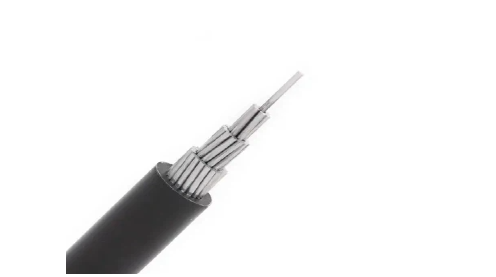
Even top-quality wires can fail if not installed properly or maintained. Common mistakes include:
Overloading circuits with too many devices, exceeding the wire’s rated ampacity.
Using undersized wires for high-demand appliances, leading to overheating.
Loose or poorly connected terminals, which can cause arcing and localized heating.
Mixing wire types, such as copper and aluminum, without proper connectors, creating galvanic corrosion and increased resistance.
Exposing wires to harsh conditions, including moisture, chemicals, high temperatures, or physical abrasion, accelerating insulation degradation.
Identifying and correcting these mistakes through professional inspection can prevent most electrical fires before they occur.
Routine inspection and maintenance are essential to ensure that electrical wiring systems remain safe and efficient over time. Even the highest-quality electrical wires can become a fire hazard if neglected or subjected to mechanical or environmental stress. Regular maintenance not only prevents potential fires but also enhances system performance and extends the lifespan of electrical installations.
Key maintenance steps include:
Inspect insulation carefully for cracks, discoloration, brittleness, or any signs of overheating. Discoloration or melted insulation often indicates sustained overloads or short circuits. Catching these early prevents catastrophic failures.
Examine electrical panels and junction boxes to confirm they are clean, dry, and properly labeled. Dust, moisture, or loose connections inside panels can create hot spots and arcing, increasing fire risk.
Detect hot spots using infrared thermal cameras or temperature sensors. These devices can identify overloaded circuits, failing connections, or areas where wiring is under stress, allowing proactive interventions before failures occur.
Test grounding and bonding to ensure continuous protection against electrical surges and faults. Proper grounding is crucial for protecting both people and sensitive equipment.
Replace worn, damaged, or corroded wires immediately, even if damage appears minor. Corrosion or frayed wires can propagate quickly under load, leading to dangerous electrical shorts.
In industrial and commercial environments, scheduled inspections are often mandated by safety regulations. These inspections ensure compliance, protect employees, and minimize equipment downtime. By implementing a structured maintenance routine, facility managers can identify and address potential hazards before they escalate into fire incidents, ensuring a safer and more reliable electrical system.
For high-risk environments—such as industrial plants, commercial kitchens, or high-load electrical systems—additional safety measures are essential:
Circuit breakers and fuses: These devices protect circuits from overloads and short circuits, preventing excessive current from damaging wires or triggering fires. Proper sizing and regular testing are critical.
Surge protectors: Voltage spikes from lightning strikes, power surges, or faulty equipment can damage wiring and connected devices. Surge protection minimizes this risk, safeguarding both infrastructure and personnel.
Fire-resistant or flame-retardant cables: These specialized wires are designed to withstand high temperatures and slow fire propagation, making them indispensable in kitchens, chemical plants, and multi-story buildings where fire risk is elevated.
Regular professional inspections: Certified electricians can identify hidden hazards, such as improperly connected wires, degraded insulation, or subtle overheating issues, which may be invisible to untrained eyes. Their expertise ensures that preventative measures are properly applied and compliant with regulations.
By combining routine maintenance with these advanced safety measures, businesses and homeowners can significantly reduce the risk of electrical fires, protect valuable equipment, and maintain operational continuity.
Preventing electrical fires starts with proper wiring selection, installation, and maintenance. High-quality electrical wires with correct amperage ratings, appropriate insulation, and certified standards ensure that circuits operate safely under normal and high-load conditions. Combined with regular inspection, secure connections, and adherence to electrical codes, these practices drastically reduce the risk of fire hazards.
For those looking for reliable, high-quality electrical wire solutions, Henan Jinshui Cable Group Co., Ltd. provides a wide range of certified wires suitable for residential, commercial, and industrial applications. Their products are designed for safety, durability, and optimal electrical performance. Exploring their offerings or consulting their experts can help ensure your wiring projects are both safe and compliant—minimizing fire risks and protecting lives and property.


