Views: 0 Author: Site Editor Publish Time: 2025-10-21 Origin: Site
Electrical wiring is the backbone of modern buildings, enabling lighting, heating, communication systems, and smart technologies to function efficiently and safely. Choosing the right type of electrical wire is crucial for ensuring safety, energy efficiency, and long-term reliability in both residential and commercial structures. With a wide variety of wires available, understanding their properties, applications, and installation considerations is essential for architects, engineers, and builders.
Electrical wire is a conductor designed to carry electricity from a power source to devices, lighting, outlets, and other components within a building. Typically made of copper or aluminum, wires are coated with insulating materials to prevent short circuits, electric shocks, and fire hazards.
Modern buildings often incorporate multiple wire types for different purposes, including:
Power transmission
Low-voltage communication
Data and network connectivity
Specialty systems like fire alarms and renewable energy systems
Selecting the correct wire involves considering current load, voltage rating, insulation type, flexibility, and environmental conditions.
Modern buildings rely on a variety of electrical wires to meet the diverse demands of power distribution, communication, safety, and automation systems. Understanding the characteristics, advantages, and limitations of different wire types is essential for architects, engineers, and electricians to ensure safe, efficient, and durable installations. Here is a detailed look at the most commonly used types of electrical wire.
Also known as Romex, NM cable is widely used in residential construction due to its affordability and ease of installation. It typically consists of two or more insulated conductors and a bare ground wire, all encased in a plastic sheath.
Applications:
Indoor residential circuits such as lighting, outlets, and small appliances
Dry, protected areas including bedrooms, living rooms, and kitchens
Small renovations or extensions requiring flexible routing
Advantages:
Easy to install and bend around corners without conduit
Cost-effective and readily available
Provides adequate safety for standard household voltages
Considerations:
Not suitable for outdoor or wet environments
Must follow local building codes
Requires careful handling to avoid damaging the sheath
NM cable is a go-to choice for residential projects, offering simplicity, flexibility, and reliability for standard household loads.
Armored or metal-clad cables feature a metallic sheath, typically aluminum or steel, providing mechanical protection and fire resistance.
Applications:
Commercial and industrial buildings with exposed wiring
Areas prone to physical damage or rodent interference
Outdoor or semi-exposed locations with weather-resistant insulation
Advantages:
Durable and resistant to mechanical impacts
Can be installed without additional conduit
Resistant to rodents, abrasion, and minor damage
Considerations:
Heavier and less flexible than NM cable
Requires special connectors for termination
Higher installation costs due to labor and material
Armored cables are widely used in offices, shopping centers, and warehouses where durability and safety are priorities.
Thermoplastic High Heat-Resistant Nylon-Coated (THHN) and THWN wires are common in commercial and industrial environments. They withstand high temperatures, moisture, and chemical exposure, typically installed in conduits.
Applications:
Conduit wiring in offices, factories, and commercial buildings
HVAC systems, lighting circuits, and motor connections
Areas with high temperatures or occasional wet conditions
Advantages:
Heat-resistant up to 90°C (194°F)
Moisture and chemical resistant
Long-lasting with stable insulation under stress
Considerations:
Must be installed inside conduit
Requires careful stripping to avoid insulation damage
Less flexible than NM cable, making tight routing challenging
THHN/THWN wires are crucial for high-performance commercial installations where safety and code compliance are essential.
Low-voltage wires operate at 50 volts or less, primarily used for communication, security, and decorative systems.
Applications:
Security cameras, alarm systems, and access control
Intercoms and smart home devices
Landscape lighting and indoor decorative systems
Advantages:
Flexible and easy to route through walls and conduits
Safe to handle, minimal shock risk
Cost-effective for low-power applications
Considerations:
Not suitable for high-power circuits
Must follow manufacturer guidelines for distance and current
Low-voltage wiring is increasingly important in smart buildings, supporting IoT integration and automated systems.
Coaxial cables consist of a central conductor, insulation, metallic shield, and outer jacket, designed for high-frequency data transmission.
Applications:
Cable TV and broadband internet
CCTV and security systems
Structured cabling in residential and commercial buildings
Advantages:
Supports high-frequency signals with minimal interference
Durable and resistant to physical damage
Can transmit over long distances without significant loss
Considerations:
Less flexible than NM or low-voltage wires
Requires proper connectors and precise installation
Coaxial cables remain standard for reliable entertainment and security systems in homes and offices.
Fiber optic cables transmit data as light through glass or plastic fibers, ideal for high-speed networks.
Applications:
Enterprise and data networks
High-speed internet for residential and commercial buildings
Smart building automation and IoT systems
Advantages:
Extremely high bandwidth and fast transmission
Immune to electromagnetic interference
Supports long-distance data transfer
Considerations:
More expensive than copper cables
Requires specialized installation and handling
Fiber optic wiring is key for modern smart buildings, supporting data-heavy applications like cloud services and video streaming.
While copper is the most common conductor, aluminum wire is used in large-scale residential and commercial circuits due to its light weight and cost-effectiveness.
Applications:
Service entrance and main distribution conductors
High-capacity branch circuits in commercial buildings
Industrial feeders with high current requirements
Advantages:
Lightweight, reducing load on conduits and panels
Cost-effective alternative to copper
Good conductivity when properly sized
Considerations:
Requires anti-oxidant compounds at connections to prevent corrosion
Must use connectors rated for aluminum
Thermal expansion differences with copper connections need management
Aluminum wiring is often chosen for utility systems and large commercial projects where weight and cost are key considerations.
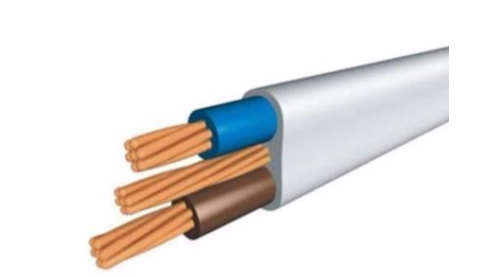
Selecting the right electrical wire for modern buildings is crucial to ensure safety, efficiency, and long-term reliability. Several key factors must be carefully considered to match the wire type with the intended application and environmental conditions.
One of the most important considerations is the load capacity of the wire. This includes both the current (amperage) and voltage requirements of the system. Using a wire with insufficient capacity can lead to overheating, insulation damage, fire hazards, and eventual system failure. For example, a 15-amp NM cable may be sufficient for standard lighting circuits but inadequate for high-power appliances or HVAC systems. Properly calculating the load ensures that the wire can handle peak demands safely.
The installation environment plays a significant role in wire selection. Wires installed outdoors, in wet areas, or near chemicals require special insulation, such as THWN or armored cables, to resist moisture, corrosion, and physical damage. Indoor installations in dry, protected areas may use simpler NM or low-voltage wires. Understanding environmental conditions helps prevent premature failure and reduces maintenance costs.
Some installations require wires to bend around corners, pass through conduits, or navigate tight spaces. Flexible wires, like NM or low-voltage types, are easier to route and handle in these scenarios. In contrast, armored cables or high-temperature wires may be less flexible, requiring additional planning for bends and conduit placement.
Compliance with local building codes, the National Electrical Code (NEC), and international standards is mandatory. Proper installation according to these regulations ensures safety, protects against liability, and may be required for insurance coverage. Following standards also guarantees that the electrical system performs reliably under expected conditions.
In homes, electrical wires power lighting, appliances, HVAC systems, and smart devices. NM cables are often used in interior circuits, while THHN or THWN wires run through conduits for high-load circuits like air conditioners and kitchen appliances.
Offices, shopping centers, and hospitals require a mix of high-voltage and low-voltage wiring. Armored cables, THHN/THWN, and fiber optic cables ensure safety, reliability, and high-speed data transmission.
Factories and warehouses demand wiring that can withstand heat, mechanical stress, and exposure to chemicals. Armored cables, aluminum conductors, and specialized insulated wires are commonly used in these environments.
With the rise of IoT and automation, modern buildings incorporate electrical wiring for sensors, smart lighting, automated HVAC, and data networks. Fiber optic cables and low-voltage wires are integral to these systems, enabling energy efficiency and real-time monitoring.
Choosing the right type of electrical wire is fundamental to the safety, efficiency, and performance of modern buildings. From NM cables in residential circuits to fiber optic cables in smart buildings, understanding the specific applications and characteristics of each wire type allows architects, engineers, and contractors to design reliable electrical systems.
For high-quality electrical wire solutions suitable for a variety of applications—from residential to industrial and commercial—Henan Jinshui Cable Group Co., Ltd. offers a comprehensive range of products that meet international standards for safety and performance. Their expertise and quality assurance make them a trusted partner for projects requiring durable, efficient, and compliant electrical wiring solutions.
To explore their full range of electrical wire products and get guidance on selecting the right solutions for your building projects, consider visiting Henan Jinshui Cable Group Co., Ltd. Their team can provide professional advice, technical specifications, and support for all your wiring needs.


